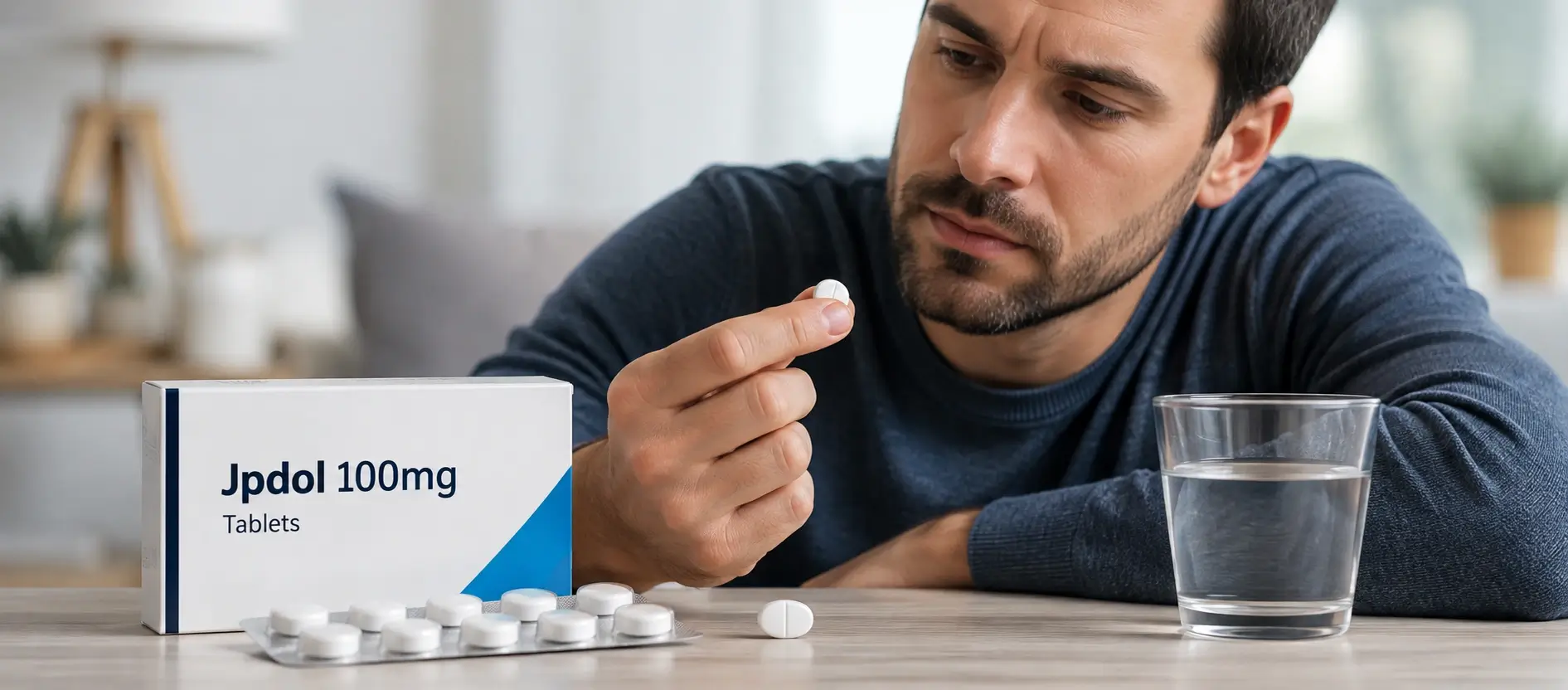
Jpdol 100mg is a product associated with tramadol, an opioid analgesic used for certain types of pain. However, people searching for Jpdol 100mg in the United States should understand an important regulatory distinction: the FDA has identified Jpdol 100mg as an unapproved tramadol product marketed in the U.S.
FDA-approved tramadol medicines are prescription medications used for pain severe enough to require an opioid analgesic when alternative treatments are inadequate. They also carry important warnings involving misuse, addiction, respiratory depression, overdose, and other potentially serious adverse effects.
Medical Disclaimer: This article is provided for general educational and informational purposes only. It does not constitute medical advice, diagnosis, or treatment. Do not start, stop, or change any prescription medication based solely on information in this article. Always consult a qualified healthcare professional or pharmacist regarding your individual medical needs.
What Is Jpdol 100mg?
Jpdol 100mg is a product identified in FDA enforcement records as tramadol marketed under the Jpdol name. Tramadol is a centrally acting opioid analgesic that affects how the nervous system processes pain.
There is an important distinction between the active ingredient and the specific branded product. While FDA-approved tramadol medicines are available in the United States, the FDA has stated that there was no approved drug application in effect for Jpdol 100mg marketed in the United States.
Consumers should therefore not assume that a product carrying the Jpdol name has the same regulatory status, manufacturing oversight, labeling, or quality controls as an FDA-approved tramadol medicine.
Anyone considering tramadol for pain should speak with a licensed healthcare professional and obtain medication through an appropriate, legitimate source.
What Is Jpdol 100mg Used For?
Tramadol is used for the management of certain pain conditions when an opioid analgesic is considered appropriate and alternative treatments are inadequate.
However, the FDA-approved indications apply to approved tramadol products, not automatically to an unapproved product marketed under the Jpdol name.
Depending on the specific FDA-approved tramadol product and formulation, healthcare professionals may consider tramadol when treating pain that requires opioid-level analgesia.
Before prescribing an opioid, a healthcare professional may evaluate:
- The severity and nature of the pain
- The expected duration of treatment
- Previous pain treatments
- Current medications
- Medical history
- Kidney and liver function
- History of substance misuse
- Risk factors for opioid-related complications
Tramadol should never be treated as an appropriate pain medicine for everyone.
How Does Tramadol Work?
Tramadol works through opioid activity and by influencing neurotransmitter pathways involved in pain processing.
Its opioid activity contributes to analgesic effects, while its effects on norepinephrine and serotonin pathways also contribute to its pharmacological profile.
Because tramadol acts on the central nervous system, it can also produce unwanted effects such as dizziness, sleepiness, nausea, and impaired alertness.
Its interaction with opioid and neurotransmitter systems also means that combining tramadol with certain other medicines can create serious risks.
Jpdol 100mg Dosage: What Should You Know?
There is no universally appropriate Jpdol 100mg dosage for every person. Opioid dosing must be determined according to the specific approved product, formulation, patient characteristics, medical condition, and prescribing instructions.
Online information should not be used to determine an individual’s tramadol dose.
If a healthcare professional has prescribed an FDA-approved tramadol product, follow the exact instructions on the prescription label and official medication information.
Do not take more than prescribed, take doses more frequently than directed, or combine tramadol with another opioid without specific medical guidance.
Jpdol 100mg Side Effects
Because Jpdol 100mg is identified with tramadol, information about tramadol’s known adverse effects is relevant when discussing the active ingredient. However, the safety profile of an unapproved product cannot be assumed to be identical to that of an FDA-approved medicine.
Common Tramadol Side Effects
Potential side effects associated with tramadol include:
- Nausea
- Vomiting
- Dizziness
- Sleepiness
- Constipation
- Headache
- Dry mouth
- Fatigue
The severity and likelihood of adverse effects can vary between individuals.
Serious Side Effects
Tramadol can cause serious and potentially life-threatening adverse effects.
Seek immediate medical attention for symptoms such as:
- Severe or unusual difficulty breathing
- Extreme sleepiness or inability to stay awake
- Loss of consciousness
- Severe dizziness or fainting
- Seizures
- Signs of a severe allergic reaction
- Symptoms that may indicate serotonin syndrome
Severe breathing difficulty, unconsciousness, or suspected opioid overdose requires emergency medical assistance.
Important Jpdol 100mg Precautions
Tramadol requires careful medical supervision because it can cause respiratory depression, misuse, abuse, addiction, physical dependence, and overdose.
Tell your healthcare professional if you have:
- A history of seizures
- Breathing or lung problems
- Kidney problems
- Liver problems
- A history of substance-use disorder
- Previous opioid dependence
- A head injury
- Current use of sedating medicines
- Current use of antidepressants or other serotonergic medicines
- Any previous serious medication reaction
Pregnancy should also be discussed with a healthcare professional before opioid treatment because prolonged opioid exposure during pregnancy can result in neonatal opioid withdrawal syndrome.
Jpdol 100mg and Drug Interactions
Tramadol can interact with prescription medicines, over-the-counter products, supplements, alcohol, and other substances.
Always provide your healthcare professional with a complete list of the medicines and supplements you use.
Antidepressants and Serotonergic Medicines
Tramadol can affect serotonin pathways. Combining it with certain serotonergic medicines may increase the risk of serotonin syndrome.
Possible warning signs include:
- Agitation or confusion
- Rapid heartbeat
- Changes in blood pressure
- Fever
- Muscle rigidity
- Tremor or abnormal movements
- Loss of coordination
Potentially serious symptoms require prompt medical evaluation.
Benzodiazepines and Other CNS Depressants
Combining opioids with benzodiazepines or other central nervous system depressants can increase the risk of profound sedation, respiratory depression, coma, and death.
Never combine prescription medicines without discussing the combination with your healthcare professional.
Jpdol 100mg and Alcohol
Alcohol can increase the central nervous system depressant effects associated with tramadol.
Combining alcohol with an opioid may increase the risk of excessive sedation, impaired consciousness, respiratory depression, and overdose.
People prescribed an FDA-approved tramadol medicine should discuss alcohol use with their healthcare professional and follow the official medication instructions.
Can Tramadol Cause Dependence or Addiction?
Yes. Tramadol is an opioid and can cause misuse, abuse, addiction, physical dependence, and potentially fatal overdose.
The risk differs between individuals. Using a higher dose than prescribed, taking the medication more frequently than directed, combining it with other sedating substances, or using someone else’s prescription can increase the risk of serious harm.
Prescription opioids should never be shared with another person.
What Happens in a Tramadol Overdose?
A tramadol overdose can cause life-threatening respiratory depression and other serious complications.
Possible warning signs include:
- Extreme sleepiness
- Very slow or difficult breathing
- Loss of consciousness
- Severe weakness
- Seizures
- Coma
If an opioid overdose is suspected, seek emergency medical assistance immediately.
Naloxone can reverse opioid-induced respiratory depression in appropriate circumstances, but emergency medical evaluation remains necessary.
Why Jpdol 100mg’s U.S. Regulatory Status Matters
U.S. consumers should distinguish between FDA-approved tramadol medicines and Jpdol 100mg.
In an FDA warning letter, the agency identified JPDOL-100 manufactured by JPEE DRUGS as an unapproved tramadol product. The FDA stated that no approved drug application was in effect for JPDOL-100 marketed in the United States.
The FDA also states that approved tramadol products are prescription medicines and that approved tramadol carries a boxed warning addressing serious risks including addiction, abuse, misuse, life-threatening respiratory depression, and neonatal opioid withdrawal syndrome.
This distinction is particularly important for consumers researching medications online. A product’s name, strength, or appearance does not establish FDA approval.
How to Verify Prescription Medication Information
Consumers should verify prescription medication information through authoritative sources and qualified healthcare professionals.
When researching Jpdol 100mg or another opioid, consider the following:
- Check whether the specific product has FDA approval.
- Verify the active ingredient and strength.
- Confirm the exact dosage form and labeling.
- Review official prescribing information.
- Use a licensed healthcare professional for medical guidance.
- Obtain prescription medicines through an appropriate pharmacy.
- Do not rely on online product claims about effectiveness or safety.
FDA approval of a generic or active ingredient does not automatically mean that every product marketed under a particular brand name is FDA-approved.
Jpdol 100mg vs. FDA-Approved Tramadol
| Factor | Jpdol 100mg | FDA-Approved Tramadol |
|---|---|---|
| Active ingredient identified in FDA records | Tramadol | Tramadol |
| U.S. FDA-approved product application | No approved application identified by FDA for Jpdol 100mg | Approved products are available |
| Prescription status | Should not be treated as an FDA-approved U.S. prescription product | Prescription-only |
| Opioid-related risks | Relevant because the product is identified as tramadol | Includes serious FDA boxed warnings |
Real-World Example: Why Product Verification Is Important
Imagine a U.S. consumer searching online for a 100mg tramadol product for ongoing pain.
They may encounter several products using different brand names but claiming to contain tramadol. A consumer might assume that all of them have identical regulatory status simply because the active ingredient appears to be the same.
That assumption can be unsafe.
The FDA’s enforcement information demonstrates why consumers should verify the specific product rather than relying only on its name, strength, or claims made by an online seller.
A safer approach is to discuss pain treatment with a licensed healthcare professional and use an FDA-approved medication obtained through an appropriate pharmacy when an opioid is medically indicated.
Who Should Speak With a Healthcare Professional Before Using Tramadol?
Anyone considering tramadol should discuss the medication with a qualified healthcare professional before use.
Professional evaluation is particularly important for people who:
- Take antidepressants or other serotonergic medicines
- Use benzodiazepines or other sedatives
- Drink alcohol regularly
- Have a history of seizures
- Have breathing problems
- Have kidney or liver problems
- Have a history of opioid or substance-use problems
- Are pregnant or planning pregnancy
- Take multiple prescription medications
How PrimeReliefRx Can Support Responsible Medication Education
PrimeReliefRx can provide educational resources that help readers understand prescription pain medicines, their potential risks, and the importance of professional medical guidance.
For opioid-related content, responsible information should clearly explain:
- The active ingredient
- The medication’s intended medical role
- Important safety warnings
- Potential side effects
- Drug and alcohol interactions
- Dependence and misuse risks
- Overdose warning signs
- Relevant U.S. regulatory information
Readers should verify medication-specific questions with a licensed healthcare professional or pharmacist rather than relying solely on online information.
Have questions about tramadol or another prescription pain medication? Speak with a qualified healthcare professional or pharmacist for advice based on your individual circumstances.
Frequently Asked Questions About Jpdol 100mg
What is Jpdol 100mg?
Jpdol 100mg is a product identified in FDA records as tramadol. However, the FDA has stated that no approved drug application was in effect for Jpdol 100mg marketed in the United States.
Is Jpdol 100mg tramadol?
Yes. FDA enforcement information identifies Jpdol 100mg as tramadol. However, consumers should distinguish the active ingredient from the regulatory status of the specific branded product.
What is tramadol used for?
FDA-approved tramadol products are indicated for pain severe enough to require an opioid analgesic when alternative treatments are inadequate. The indication applies to approved tramadol products and should not automatically be applied to unapproved products.
Is Jpdol 100mg FDA approved in the USA?
The FDA has stated that there was no approved drug application in effect for JPDOL-100 marketed in the United States. Consumers should not assume that Jpdol 100mg has the same regulatory status as an FDA-approved tramadol medicine.
What are the side effects of tramadol?
Potential tramadol side effects include nausea, vomiting, dizziness, sleepiness, constipation, headache, dry mouth, and fatigue. Serious risks include respiratory depression, seizures, misuse, dependence, addiction, and overdose.
Can tramadol be taken with alcohol?
Alcohol can increase the central nervous system depressant effects of opioids such as tramadol and may increase the risk of severe sedation and respiratory depression. Discuss alcohol use with your healthcare professional.
Can tramadol interact with antidepressants?
Yes. Tramadol can interact with certain serotonergic medicines and may increase the risk of serotonin syndrome. Tell your healthcare professional about all medicines and supplements you use.
Can tramadol cause addiction?
Yes. Tramadol is an opioid and can cause misuse, abuse, addiction, physical dependence, respiratory depression, and overdose.
What should I do if I suspect a tramadol overdose?
Suspected opioid overdose is a medical emergency. Seek emergency medical assistance immediately, particularly if there is severe sleepiness, difficulty breathing, loss of consciousness, or a seizure.
Conclusion
Jpdol 100mg is associated with tramadol, an opioid analgesic, but its U.S. regulatory status requires particular attention. The FDA has identified Jpdol 100mg as an unapproved tramadol product marketed in the United States.
FDA-approved tramadol medicines are prescription-only and carry significant safety warnings. These include risks involving misuse, addiction, respiratory depression, overdose, and potentially serious drug interactions.
Anyone considering tramadol for pain should speak with a qualified healthcare professional and use an appropriate FDA-approved medication when treatment with an opioid is medically indicated.
Do not choose, purchase, or change an opioid medication based solely on online product information. Verify the specific medicine and discuss your treatment options with a licensed healthcare professional or pharmacist.